Big-Bag

Innovative polymers for Big Bag: UV resistance and outdoor use

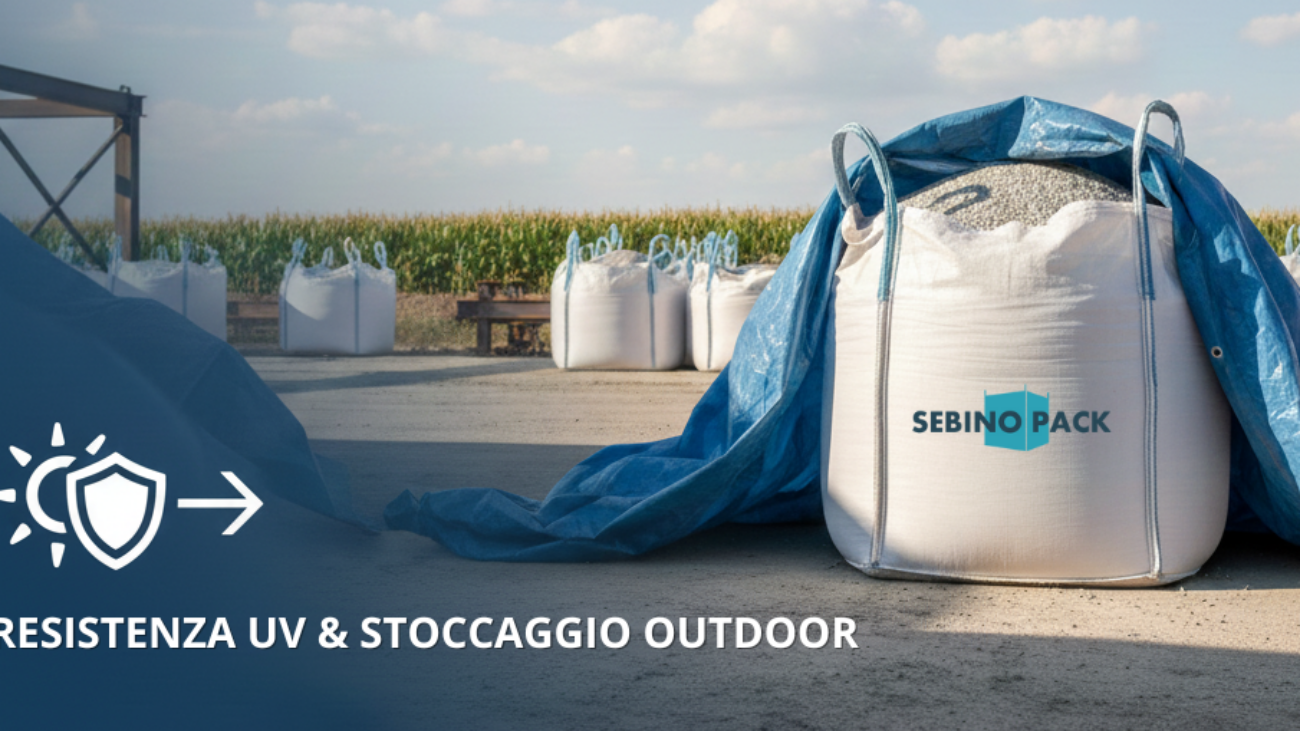
For those in the construction, mining, or agricultural sectors, the Big Bag is not just a container, but a storage garrison that often has to withstand months of sun, rain, and temperature fluctuations.

Polypropylene (PP), by its nature, is sensitive to ultraviolet rays: prolonged exposure without proper protection can lead to crystallization of the fibers, making the bag fragile and dangerous during handling.

UV degradation is a photo-chemical process. The sun’s rays break polymer chains in the fabric, causing loss of tensile strength, pulverization , and safety hazards.

At SebinoPack, we use state-of-the-artHALS (Hindered Amine Light Stabilizers) additives that not only screen out rays, but also block chemical degradation reactions as soon as they are triggered, prolonging the life of the bag by up to 50 percent more than cheap products.

In addition to material choice, proper bag management can really make a difference:

  1. Covering Big Bags with opaque tarps further reduces wear and tear
  2. Before lifting a bag that has been stored outdoors for months, always check that the color of the fabric is intact and has no “dry” or brittle areas
  3. Use FIFO (First-In-First-Out) logic to minimize the total exposure time.

Investing in a Big Bag with advanced UV stabilization means protecting not only the goods contained, but also the safety of your workforce. With SebinoPack technologies, outdoor storage stops being an unknown and becomes a controlled and safe process.
Big-Bag

How Q-Bag design reduces transportation costs

In the current landscape of unstable fuel costs and rising sea and land freight rates, logistics is no longer just an expense item, but akey opportunity to regain competitiveness.

It is often underestimated how the shape of a package can affect the entire value chain, but Q-Bags (stabilized Big Bags) are the ultimate solution for maximizing cargo volume and reducing costs.

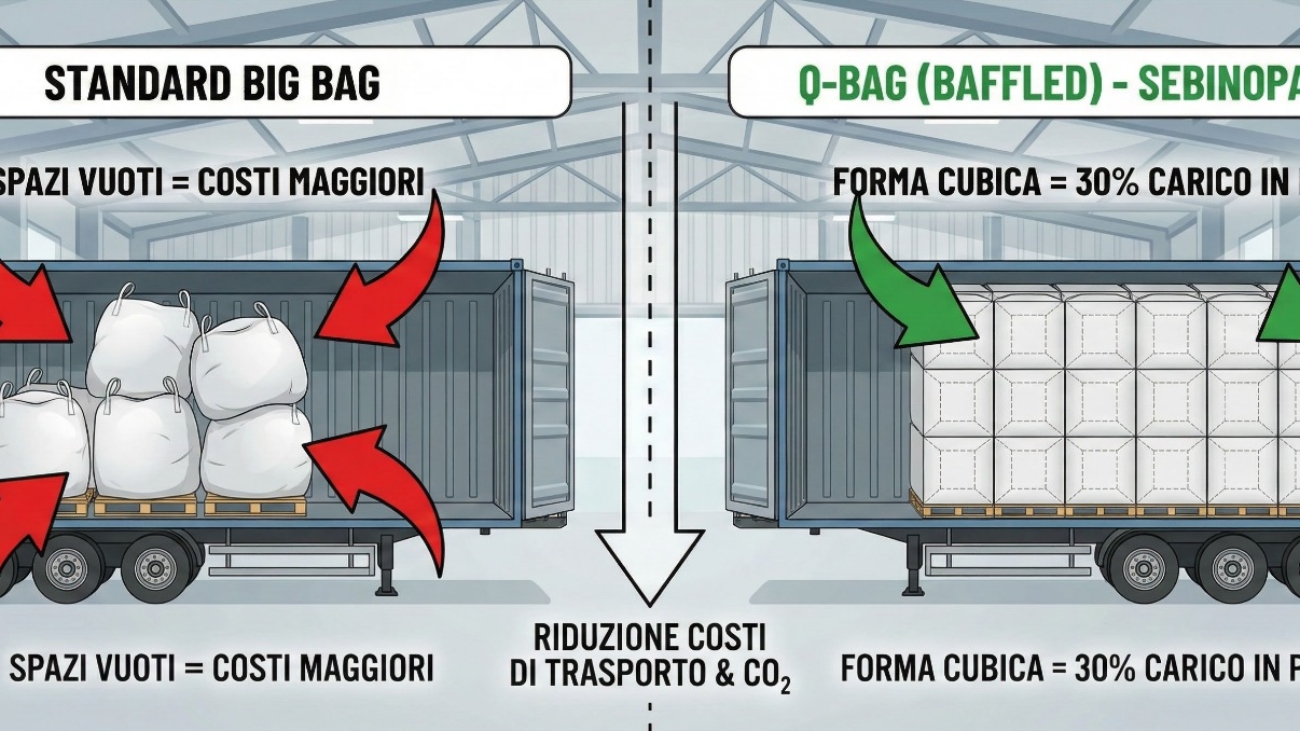
A standard Big Bag, when filled with granular or powdery materials, tends to span taking on a cylindrical or rounded shape. This phenomenon, creates two major inefficiencies: empty spaces and instability.

Q-Bags, on the other hand, are designed with aclever architecture. Inside the bag, reinforcing walls(baffles or baffles) are sewn into the corners. These baffles allow material to flow into the corners during filling and prevent the fabric from deforming outward. The result is a Big Bag that maintains a perfectly cubic shape even when fully loaded.

This allows up to 25-30% more material to be loaded into the same truck or container, and the more stable base allows bags to be stacked more securely, doubling or tripling the capacity of the warehouse without expanding its square footage.

Design optimization is not only good for the budget, but also good for the planet:

  • Reduction in the number of trips required to transport the same tonnage
  • Lower carbon footprint due to fewer vehicles on the road
  • Reduced risk of sagging or tipping during transport or storage

SebinoPack ‘s Q-Bags are distinguished by the precision of the internal seams, which ensure that the baffles do not collapse under the pressure of high-density materials. We also resize the bag to standard Euro-pallet orHigh Cube container sizes, ensuring that not an inch is wasted.

Big-Bag

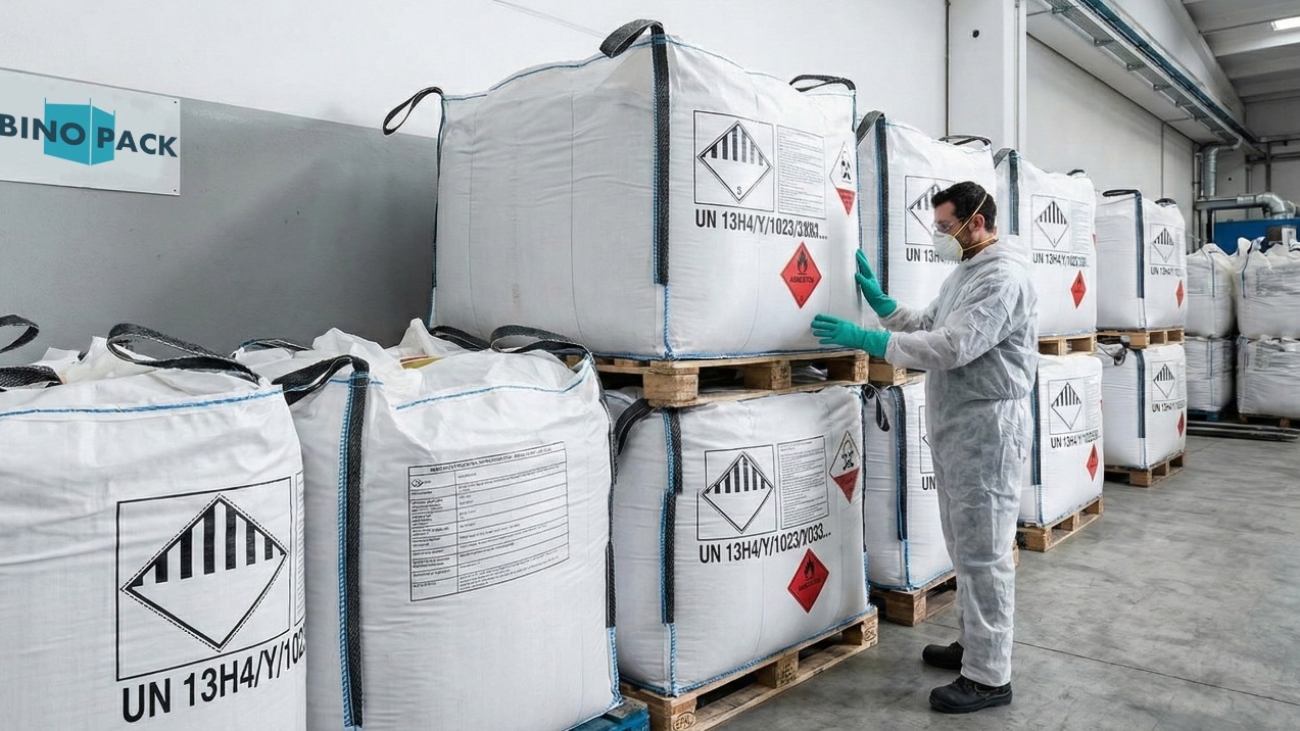
UN-approved big bags for hazardous waste and asbestos: regulations, UN codes, and mistakes to avoid

When it comes to hazardous waste, ADR, toxic-harmful waste or asbestos, a “sturdy” big bag is not enough. You need UN-approved packaging that is designed, tested and certified for the transport of dangerous goods according to the ADR regulations, RID, IMDG and the like.

UN-approved big bags (often identified as Dangerous Goods FIBCs) undergo specific tests for mechanical strength, drop, stacking, dynamics and tightness. Only after passing these tests can they bear the UN mark with all the required information: type of packaging, material, packaging group, year and country of manufacture, and certifying body.

In the field of waste, UN big bags are essential when the EWC code and classification of the waste make the substance a dangerous good for transportation purposes. Even more stringent is the case with asbestos: regulations require dedicated bags and big bags with clearly defined specifications for strength, closure, labeling and hazard symbology.

The most frequent errors found in business are:

  • Use of generic, unmarked UN big bags for waste that should travel in approved;
  • illegible or incomplete markings, exposing producer and transporter to penalties;
  • choice of bags with flow rates or safety factors that are not appropriate for the actual weight of the waste;
  • Incorrect outdoor storage, resulting in fabric degradation and loss of performance.

Working with a specialized supplier allows you to be guided in reading UN codes, verifying the ADR requirements of your waste stream, and choosing the right format (capacity, size, accessories). Sebino Pack can support both the waste producer and the environmental consultant in defining the correct UN big bag “familia” for the different types of waste handled.

Investing in approved packaging is not only a regulatory requirement, but a way to greatly reduce the risk of spills, loading/unloading accidents , and disputes with carriers and destination facilities.

Big-bag

Customizing Big Bags: printing, colors, logistics data, and user instructions for a more efficient supply chain

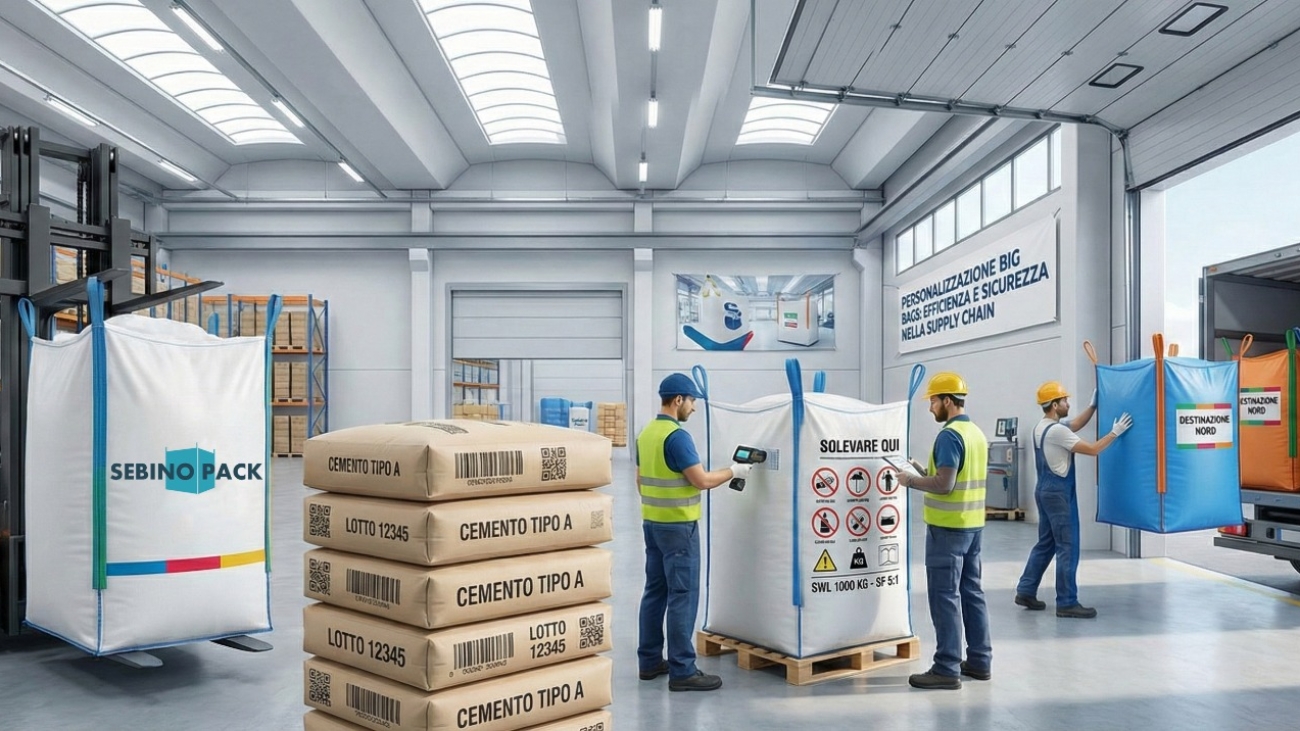
The big bag is not just a neutral container-it can become a tool for communication and efficiency throughout the supply chain. Customization through printing and accessories allows branding, information and security to be combined.

On an aesthetic level, the company logo, product line name, institutional colors or coordinated graphics can be printed. This helps reinforce the brand image, especially when the big bags are visible on the construction site, in the warehouse, or by the end customer. For companies that do contract work, customized big bags can also become an additional service for their customers.

Operationally, the printout can contain key information: product codes, batches, bar codes or QR codes, safety pictograms, and lifting and storage instructions. Some companies choose to print capacity limits, safety factor and good usage practices directly on the bag, reducing the risk of errors in the department.

It is also possible to differentiate big bags by color or by graphic elements (side bands, colored seams) to quickly identify product families, risk classes, or destinations-an important advantage in warehouses with many different codes or in multilingual settings.

The graphic design of big bags requires a discussion between marketing department, logistics and supplier: format, number of colors, positioning of information, readability at a distance must be defined. Sebino Pack can support the company at this stage, preparing print proofs, color proofs and suggesting technical solutions to maximize graphic output without exploding costs.

A well-customized big bag simplifies the work of those who use it every day, reduces picking and shipping errors, improves the legibility of flows , and contributes to amore professional and consistentimage of the company.

Big-bag

Big Bag food grade: requirements, certifications and standards to know (BRC, HACCP, ISO 22000)

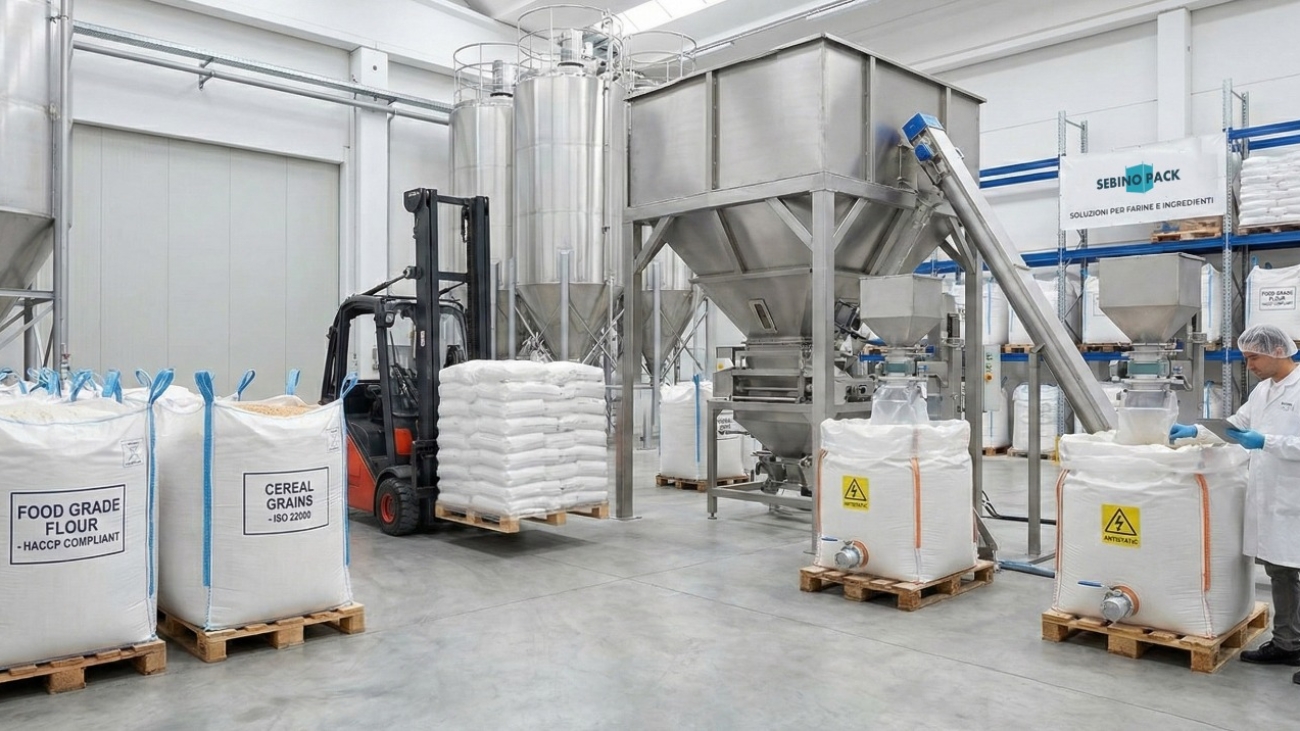
When a big bag comes into direct contact with food, it is no longer just industrial packaging: it becomes a MOCA(food contact material) and must meet very stringent requirements to ensure consumer safety.

A food grade big bag is made from virgin polypropylene suitable for food contact, produced in plants that apply strict hygiene standards (cleaning, pest control, access management, cleaning and maintenance procedures). Production processes follow HACCP methodologies, identifying critical points and defining specific controls to prevent physical, chemical or microbiological contamination.

At the regulatory level, in Europe the general reference is Regulation (EC) 1935/2004 on materials in contact with foodstuffs, flanked by specific provisions for plastics (such as Reg. (EU) 10/2011). To these are added voluntary standards, but in fact required by large industry, such as BRCGS, FSSC 22000, ISO 22000, IFS, SQF: certifications that attest to the structured management of food safety throughout the packaging supply chain.

A food grade big bag must be designed to minimize the release of substances from the material to the food: for this, global and specific migration tests are conducted under simulated conditions of use. Traceability is critical: each batch of bags must be able to be linked to the source materials, tests performed, and production conditions.

From the customer’s perspective, choosing a certified supplier means reducing the risk of noncompliance in audits, product recalls and disputes. It is important to ask:

  • Certificates of fitness for food contact;
  • List of standards/certifications of the production facility;
  • Summary reports of migration testing;
  • Foreign body and complaint handling procedures.

Sebino Pack, as a partner for the food industry, can select certified production facilities, ensure proper documentation for audits, and help clients define technical specifications for their food grade big bags.