


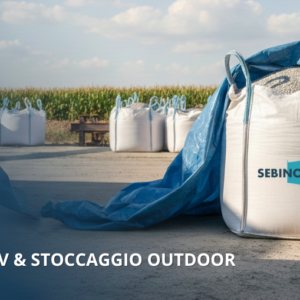
Innovative polymers for Big Bag: UV resistance and outdoor use
For those in the construction, mining, or agricultural sectors, the Big Bag is not just a container, but a storage garrison that often has to withstand months of sun, rain, and temperature fluctuations. Polypropylene (PP), by its nature, is sensitive
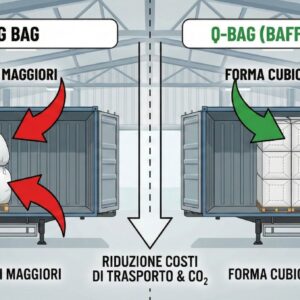
How Q-Bag design reduces transportation costs
In the current landscape of unstable fuel costs and rising sea and land freight rates, logistics is no longer just an expense item, but akey opportunity to regain competitiveness. It is often underestimated how the shape of a package can
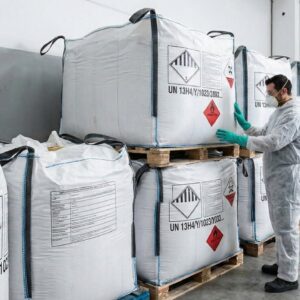
UN-approved big bags for hazardous waste: regulations, UN codes, and mistakes to avoid
When it comes to hazardous waste, ADR, toxic-harmful waste or asbestos, a “sturdy” big bag is not enough. You need UN-approved packaging that is designed, tested and certified for the transport of dangerous goods according to the ADR regulations, RID,
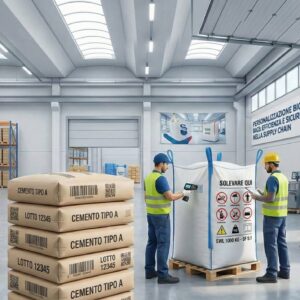
Customizing Big Bags: operating instructions for a more efficient supply chain
The big bag is not just a neutral container-it can become a tool for communication and efficiency throughout the supply chain. Customization through printing and accessories allows branding, information and security to be combined. On an aesthetic level, big bags
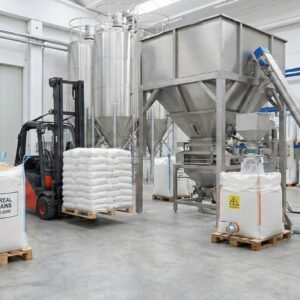
Big Bag food grade: requirements, certifications and standards to know (BRC, HACCP, ISO 22000)
When a big bag comes into direct contact with food, it is no longer just industrial packaging: it becomes a MOCA(food contact material) and must meet very stringent requirements to ensure consumer safety. A food grade big bag is made
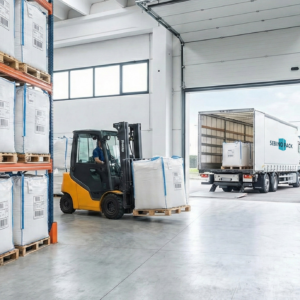
From quote to Just in Time delivery: how to optimize purchase and stock of Big Bags in the enterprise
Often the problem is not “which big bag to choose,” but “how to manage it over time.” Warehouses full of unused big bags, lack of stock in production peaks, difficulty in managing different codes-all of which generate hidden costs. A
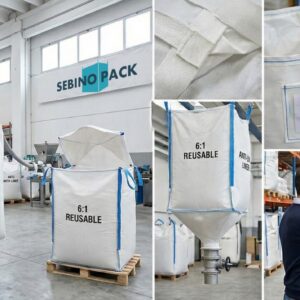
How to choose the right Big Bag: materials, capacity, loading/unloading valves and accessories explained well
Choosing the right big bag means avoiding downtime, breakages, safety issues and disputes. This is why it is essential to start with an essential data sheet: what the big bag should contain, for how long, under what storage conditions, and
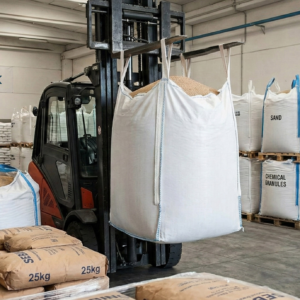
Big Bag: what they are, what they are for, and when they are convenient compared to other industrial packaging
Big bags, also called FIBCs (Flexible Intermediate Bulk Containers), are polypropylene fabric bags designed to contain and handle bulk materials in large quantities. They were created to make the handling of powders, granules, and aggregates easier, safer , and more
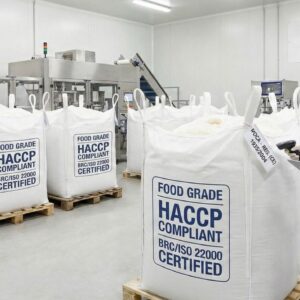
Big bags for flour, grain, sugar and bulk ingredients: how to ensure food safety and efficient logistics
Flour, cereals, rice, sugar, and many dry bulk ingredients are increasingly handled in big bags. This choice optimizes flows from milling to final packaging, reducing intermediate steps and improving process cleanliness. But the “food + powdered product” combination requires some